Whole Foods & Vitality
Balanced Everyday Nutrition
Fuel your body with colorful, unrefined whole foods, optimal hydration habits, and enjoyable meal planning principles built for sustained daily energy.
Fuel your body with colorful, unrefined whole foods, optimal hydration habits, and enjoyable meal planning principles built for sustained daily energy.
Emphasizing food diversity, natural fiber, essential micronutrients, and mindful enjoyment.
Incorporate a rainbow of leafy greens, cruciferous vegetables, berries, and legumes to nourish your gut microbiome.
Choose oats, quinoa, brown rice, and sweet potatoes for steady glucose release and long-lasting metabolic energy.
Support muscle repair, hormone synthesis, and sustained satiety with beans, nuts, seeds, tofu, and wholesome proteins.
Integrate avocados, extra virgin olive oil, walnuts, and flaxseeds for cellular membrane integrity and brain function.
A simple, intuitive framework for structuring your lunch and dinner plates without complex calorie tracking.
Fill half your plate with colorful raw, steamed, or roasted vegetables alongside fresh fruit for rich fiber and antioxidant support.
Intact grains such as brown rice, quinoa, farro, whole wheat, or buckwheat providing slow-burning energy.
Plant-based legumes, eggs, poultry, or fish providing building blocks for vital tissue renewal.
Add a moderate serving of healthy unsaturated fats (such as a drizzle of olive oil or a slice of avocado) and a glass of fresh water.

Water is the medium for every metabolic reaction in the human body. Maintaining adequate fluid balance optimizes nutrient transport, aids digestion, lubricates joints, and regulates internal body temperature.
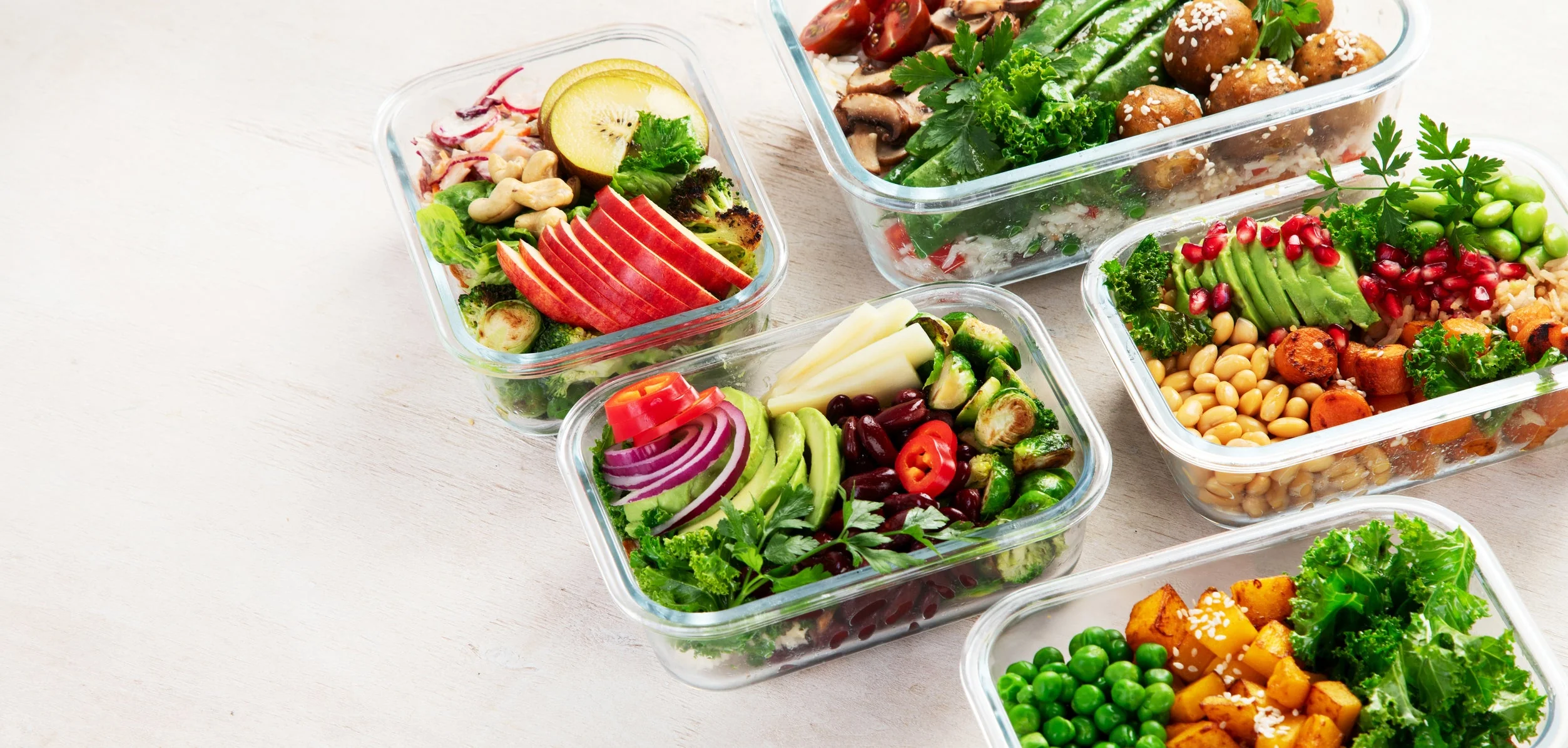
Setting aside just 60 to 90 minutes over the weekend to batch-cook grains, roast vegetables, and prepare wholesome dressings eliminates weekday decision fatigue and simplifies healthy choices.
Practical, realistic checkpoints to elevate your daily food choices and nutritional mindfulness.
Include different vegetable colors to ensure a broad spectrum of protective phytonutrients.
Slow down and chew thoroughly to enhance enzymatic breakdown and digestive ease.
Drink water consistently throughout the day rather than chugging large amounts with meals.
Prioritize whole ingredients with short, recognizable ingredient lists.
Combine fiber-rich apples with almond butter or carrots with hummus for sustained satiety.
Finish your evening meal 2 to 3 hours before sleep to support deep metabolic recovery.
Answers to popular inquiries regarding daily meal structure, whole foods, and mindful eating.
For most individuals, counting calories is not necessary. Focusing on whole-food quality, portion awareness using the Balanced Plate model, and honoring natural hunger/fullness cues creates sustainable, lifelong nourishment.
Blend a handful of spinach into your morning smoothie, add chopped bell peppers and zucchini to pasta sauces, and keep pre-washed baby carrots readily available for afternoon snacks.
Dietary fiber supports healthy bowel regularity, nourishes beneficial gut bacteria, stabilizes post-meal blood sugar levels, and promotes lasting satiety throughout the day.